 Sold
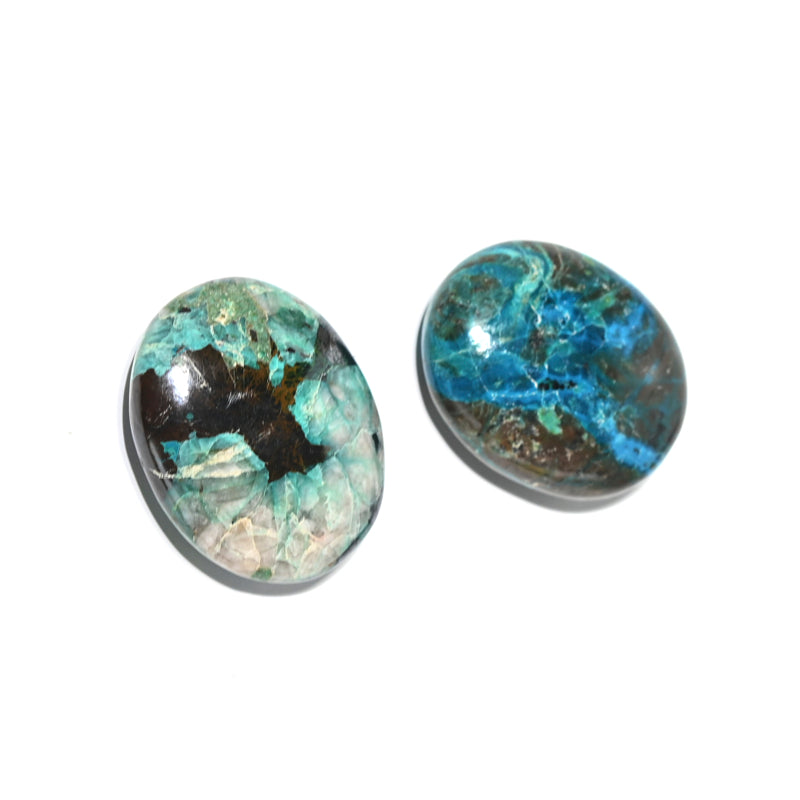
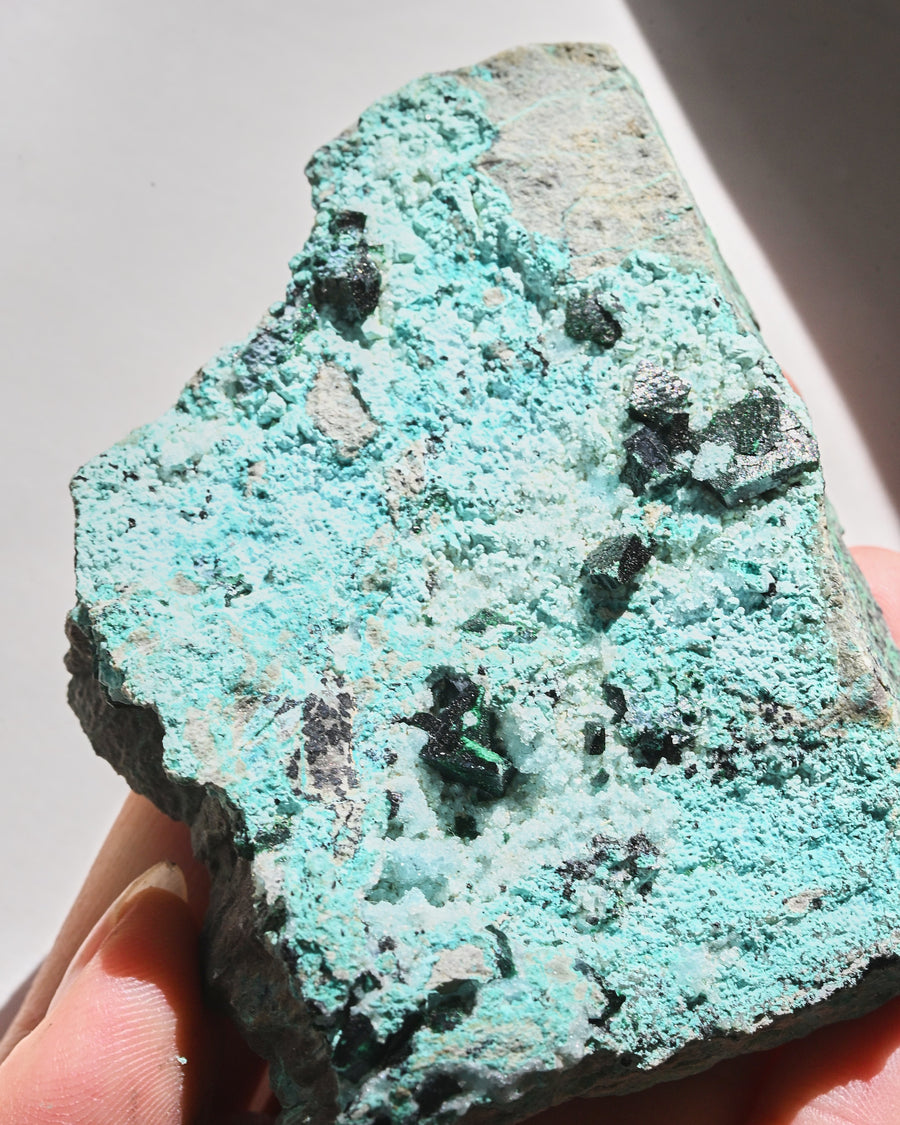
Chrysocolla Palm Stone
Sold · $24View
Crystals.com
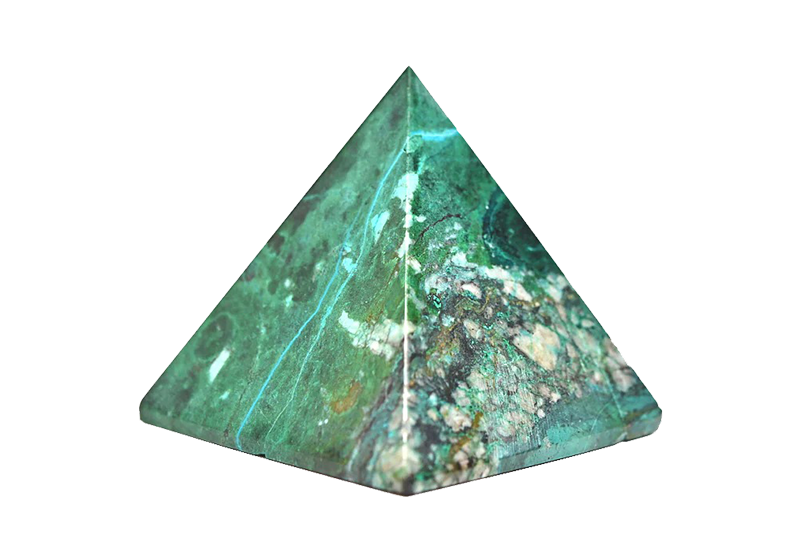
Chrysocolla displays vivid blue-green patterns that look like aerial views of tropical coastlines. A copper silicate mineral, chrysocolla often forms alongside malachite and azurite in copper ore deposits, creating multi-mineral specimens with layers of...
5 pieces
Sold




Chosen piece by piece, mostly direct from mines and suppliers I have worked with for years.
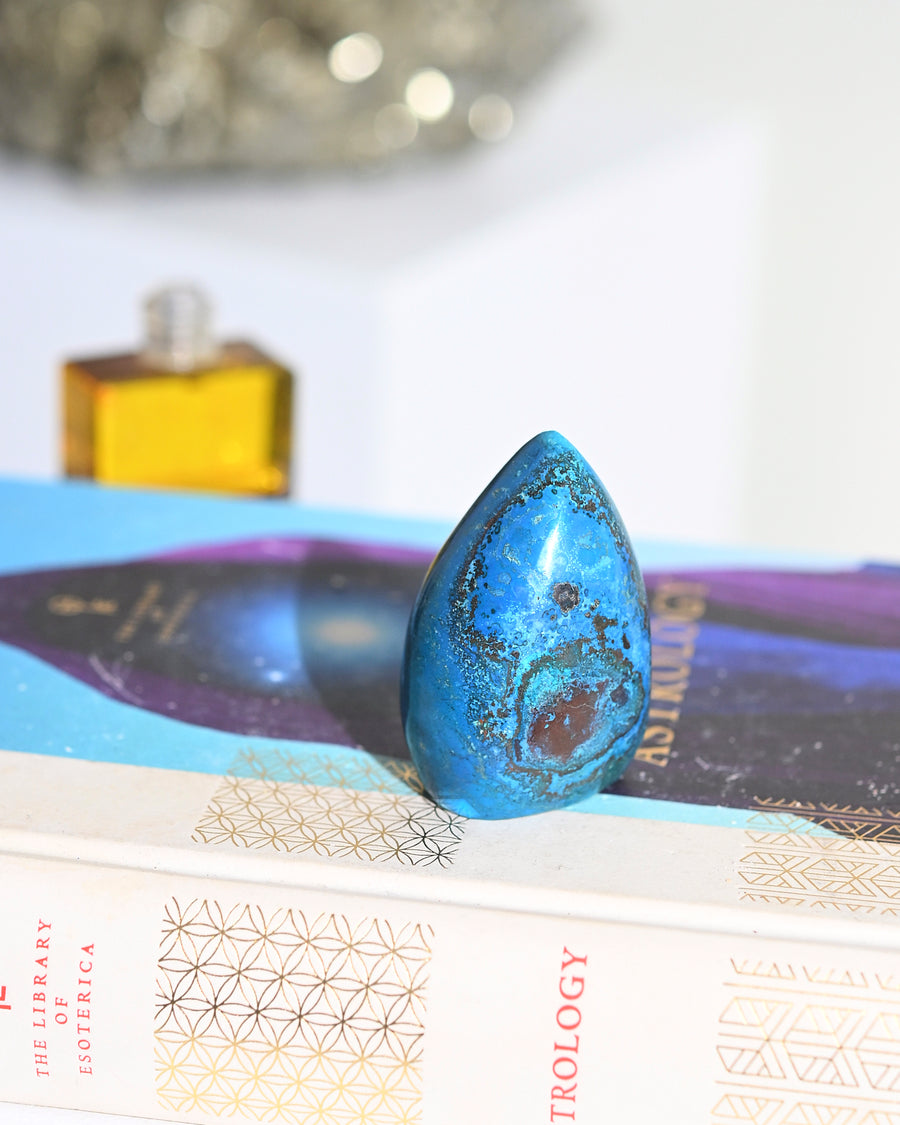
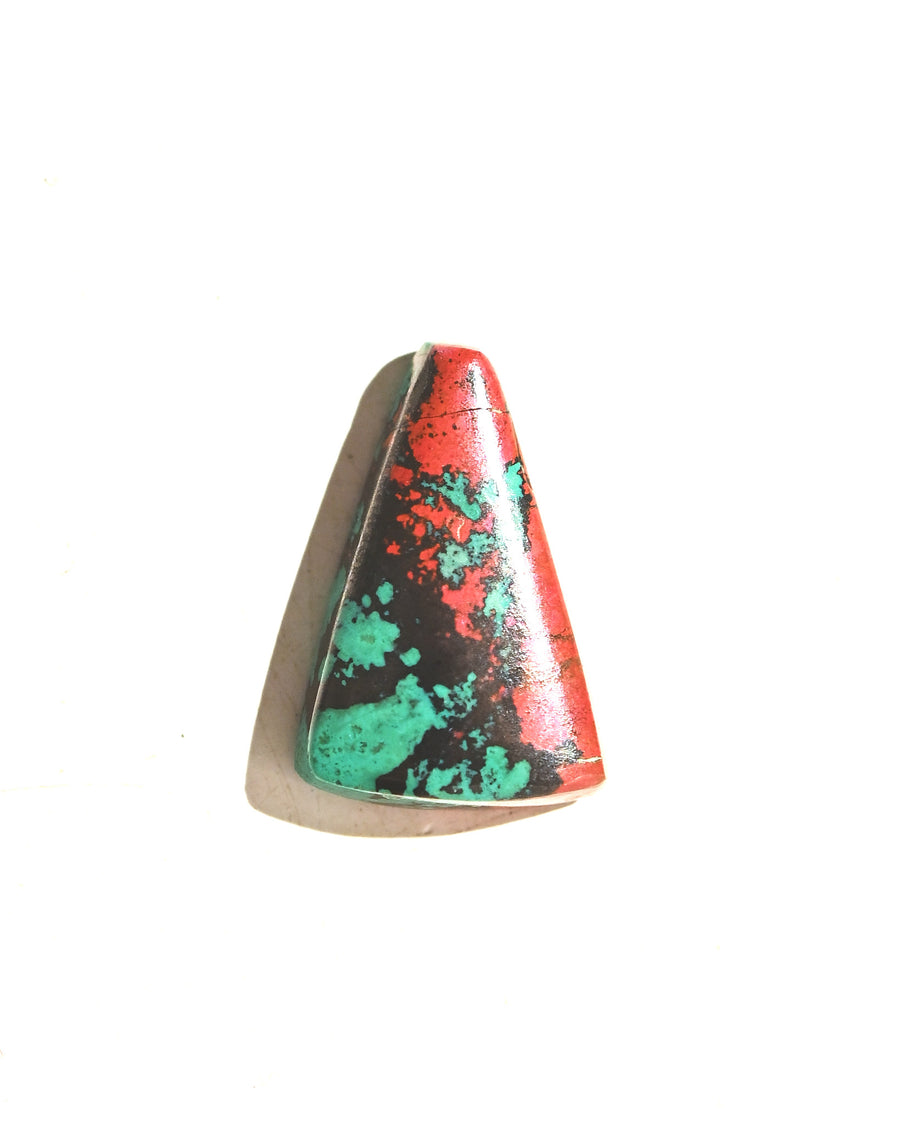
I shoot every piece myself, so a one of a kind piece is the exact piece you receive.
Packed by hand here and out in 1 to 3 business days.
Chrysocolla is a hydrated copper phyllosilicate mineral with the formula (Cu,Al)2H2Si2O5(OH)4·nH2O. Its vivid blue-green color comes from copper, and it often forms in the oxidation zones of copper ore deposits. Mohs hardness varies from 2.5 to 7 depending on whether it is pure chrysocolla or silicified (agatized) material.
Major sources include Peru (which produces some of the finest specimens), the Democratic Republic of Congo, Arizona (USA), Chile, and Australia. Peruvian chrysocolla, often mixed with malachite and azurite, produces the most dramatic multi-colored specimens.
No, though they can look similar. Turquoise is a copper aluminum phosphate, while chrysocolla is a copper silicate. They have different chemical compositions, hardness, and internal structures. Chrysocolla tends to have a more glassy, translucent quality when silicified, while turquoise is typically more opaque and waxy.
Pure chrysocolla is soft (Mohs 2.5 to 3.5) and porous. However, chrysocolla that has been naturally silicified (infused with quartz or chalcedony during formation) is much harder (Mohs 6 to 7) and durable enough for jewelry and regular handling. Most polished chrysocolla on the market is silicified material.
Avoid prolonged water exposure and chemical cleaners. Clean with a soft dry cloth. Chrysocolla is sensitive to acids and can be damaged by household chemicals. Store separately from harder minerals. Silicified chrysocolla is more durable but still benefits from careful handling.
Chrysocolla is a captivating mineral known for its vibrant blue and green hues, often used in jewelry and artistic creations. Beyond its aesthetic appeal, this gem is believed to promote inner wisdom, emotional balance, and communication skills, making it a popular choice among crystal enthusiasts and jewelry makers.
Chrysocolla is found in various locations around the world, including the United States, Peru, Chile, and the Democratic Republic of the Congo. These regions yield beautiful specimens of this captivating mineral, highly prized for its vibrant colors and metaphysical properties.
Chrysocolla is generally safe for brief contact with water, but it's advisable to avoid prolonged submersion or exposure to moisture, as it may affect the stone's appearance and structural integrity over time. A gentle rinse or cleansing is typically considered safe for this beautiful gem.
Chrysocolla is pronounced as "kris-uh-kol-uh," with the emphasis on the first syllable, making it easy to articulate this captivating mineral's name.
Chrysocolla is highly regarded for its ability to promote inner wisdom, emotional healing, and effective communication. Many believe that this captivating mineral can help alleviate stress, foster empathy, and empower individuals to express their thoughts and feelings with clarity and confidence.
Chrysocolla displays vivid blue-green patterns that look like aerial views of tropical coastlines. A copper silicate mineral, chrysocolla often forms alongside malachite and azurite in copper ore deposits, creating multi-mineral specimens with layers of blue, green, and sometimes red cuprite. The finest specimens come from Peru, Congo, and Arizona.
Most polished chrysocolla has been naturally silicified — infused with quartz during formation — which raises its hardness from a soft 2.5 to a durable 6-7 on the Mohs scale. This natural process creates the glassy, translucent quality that makes gem-grade chrysocolla so striking. Raw specimens show the mineral in its softer, more earthy state with botryoidal (bubbly) formations.
Chrysocolla pairs beautifully with other copper minerals like malachite and azurite for a dramatic green-to-blue gradient display. See also our blue crystals and green crystals collections for more color-matched specimens. Free shipping on orders over $150.
Chrysocolla is a hydrated copper phyllosilicate mineral that forms in the oxidation zones of copper ore bodies. It displays vivid blue and green colors from its copper content. When naturally infused with quartz (silicified), it becomes gem-grade chrysocolla with a glassy luster.
The finest chrysocolla specimens come from Peru (especially the Lily Mine and Ica region), the Democratic Republic of Congo, and Arizona in the United States. Israel and Chile also produce notable material.
Gem-grade chrysocolla that has been naturally silicified (infused with quartz) reaches Mohs 6-7 and is suitable for jewelry. Pure chrysocolla without quartz is only Mohs 2.5 and is too soft for wear — display only.
Silicified chrysocolla can handle brief water contact for cleaning. Pure, unsilicified chrysocolla is porous and should be kept dry. When in doubt, wipe with a soft dry cloth rather than rinsing.
A beautiful piece..the photo's did not do it justice. The delivery was timely and arrived in perfect condition. Thank you..this specimen is a must for any collector.
Crystals Individually wrapped
Shipped with care, excellent packaging. Great products
Very nice, one of a kind sphere. The piece matched the quality in the photos. Packaging was above average, with no damage during shipping. Tracking was easy. Everything was a positive experience.
Was expecting a bright shade of yellow, but the amber shade is just as beautiful.
Loved how it glimmers
Loved the packaging
Each Crystal came out beautifully
Will definitely find myself a frequent customer ☺️
Perfect. I love my crystals!
Beautiful! Exactly what I was hoping for/expecting!
Delivered when promised. Packaged very nicely!
Beautiful! The purple is so vibrant!
Stunning! Exceeded my expectations and arrived so quickly 💜
Web site is working like a dream, beautifully.
Amazing smoky quartz that you dug up yourself in Tennessee. It shines in my entryway & it is so special. Thank you, it is one of my most important treasures. By the way, your web site works beautifully!
Very beautiful!
Can't choose?
Tell it what you need. It picks one piece for you, in stock right now.
Sorry, looks like we don't have enough of this product.

Buy It With
$10.00 USD


